


Kimono
Let's start with this one garment.
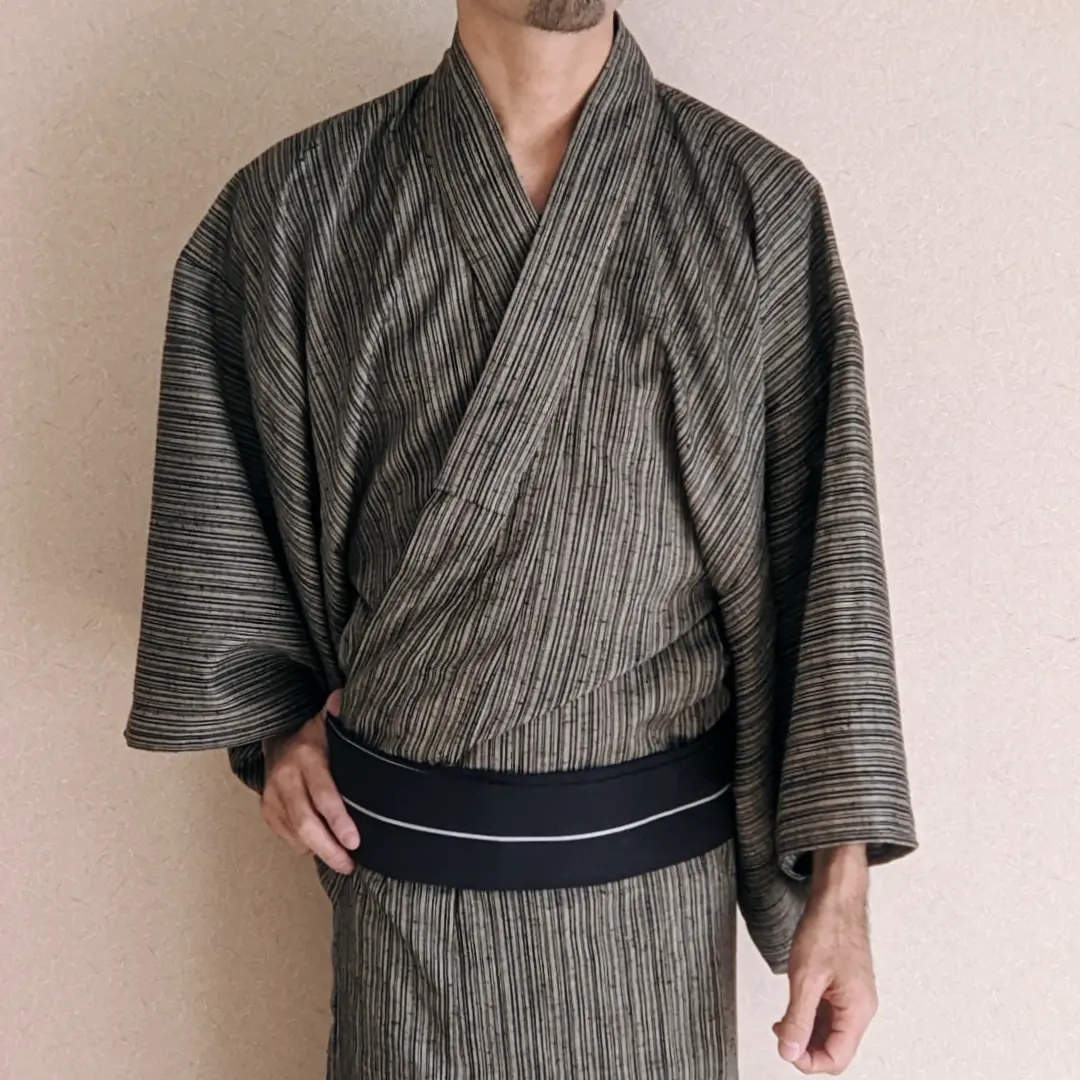
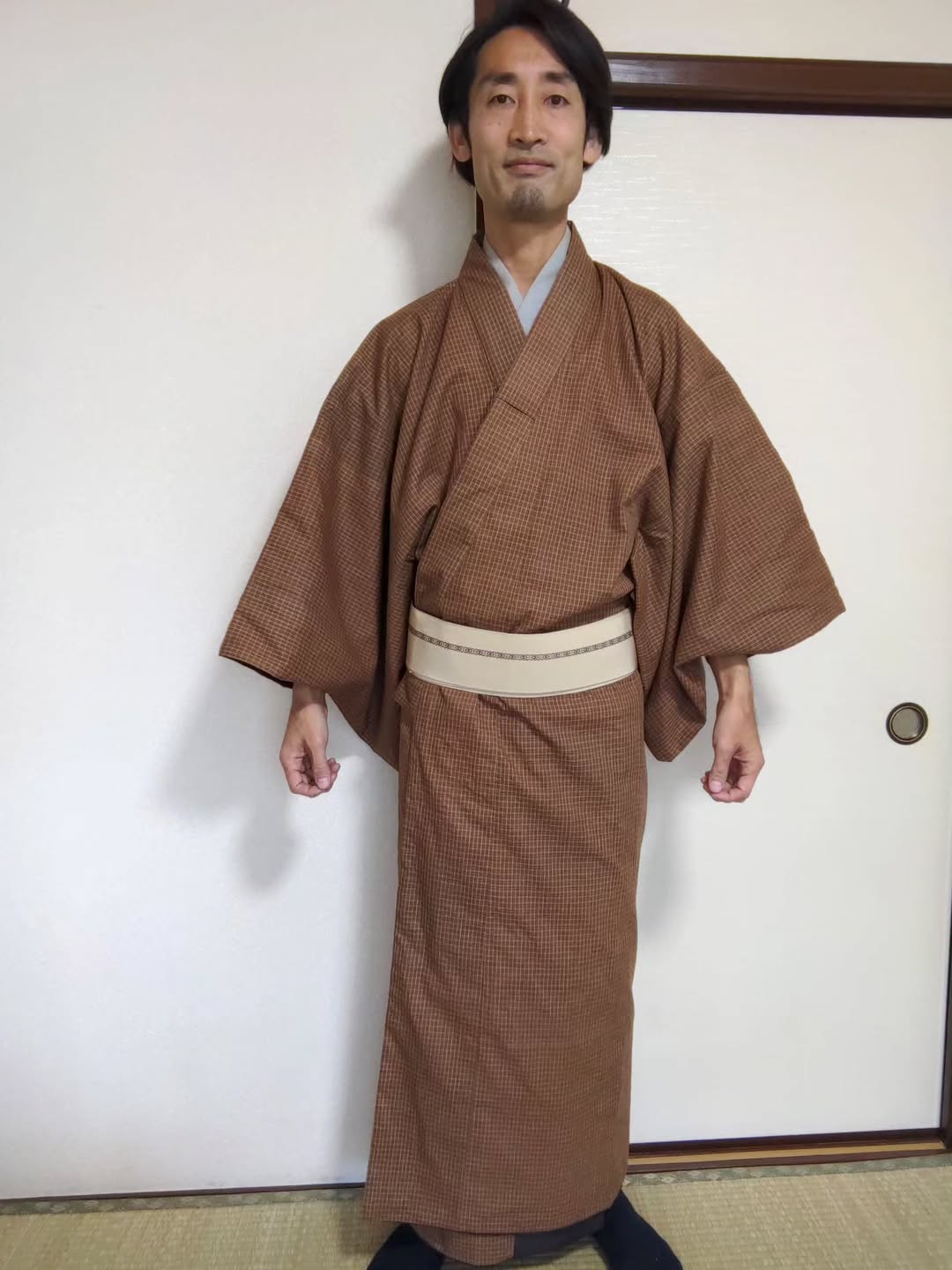
Once you become familiar with making traditional Japanese garments, try challenging yourself by making them with linings.
It's a women's kimono with two-shaku sleeves and long sleeves. It's unlined. For beginners.
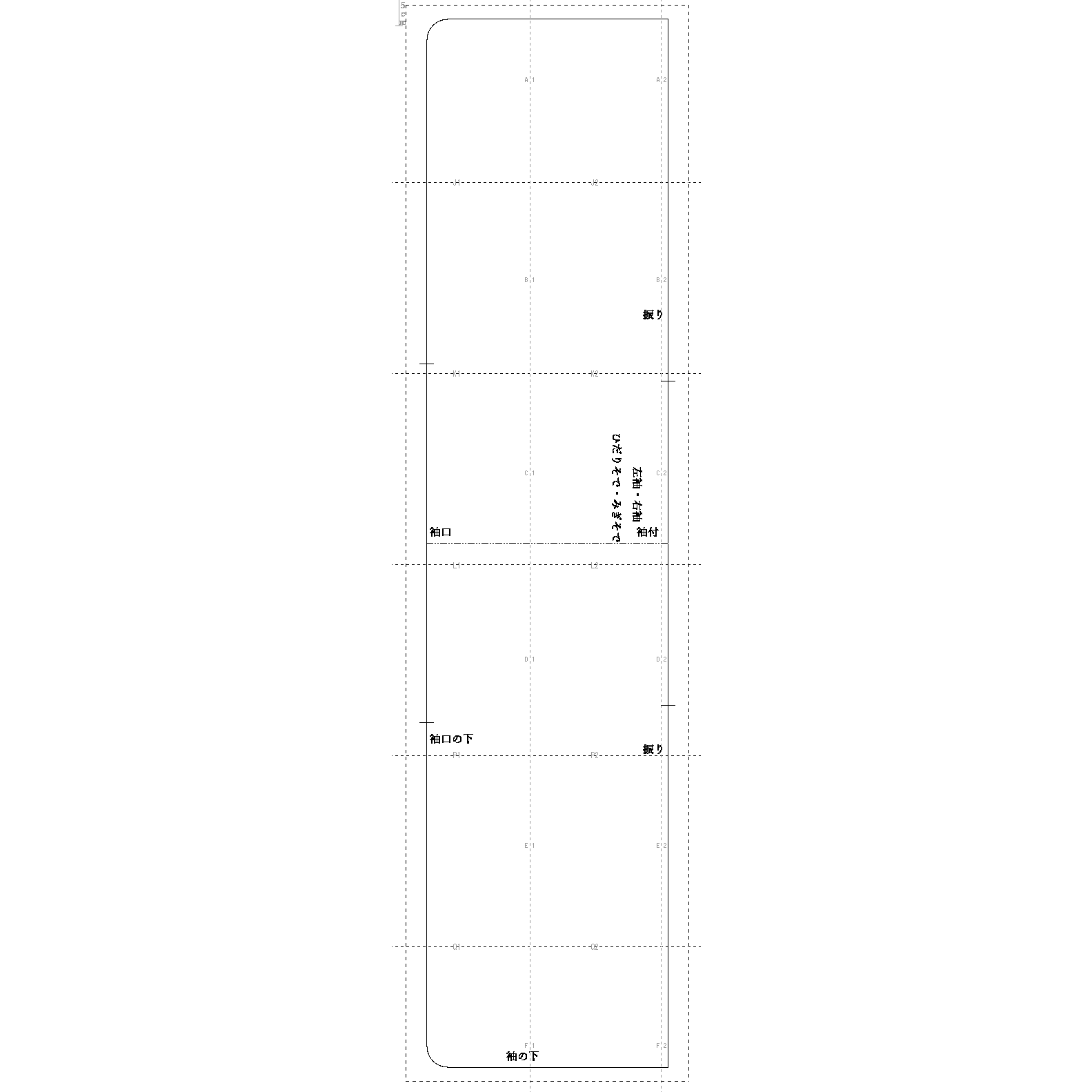
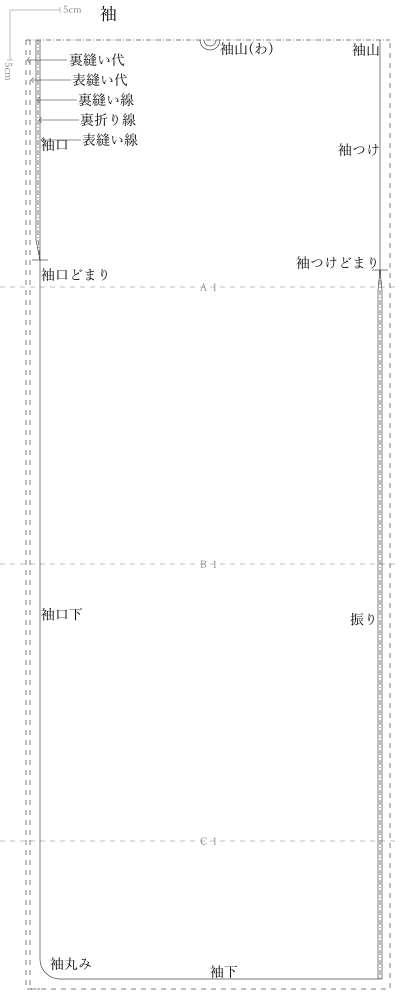
It's a women's kimono with two-shaku sleeves and long sleeves. It's lined. For those who have become familiar with making traditional Japanese garments.
Haori
Once the kimono is made, next is the haori.
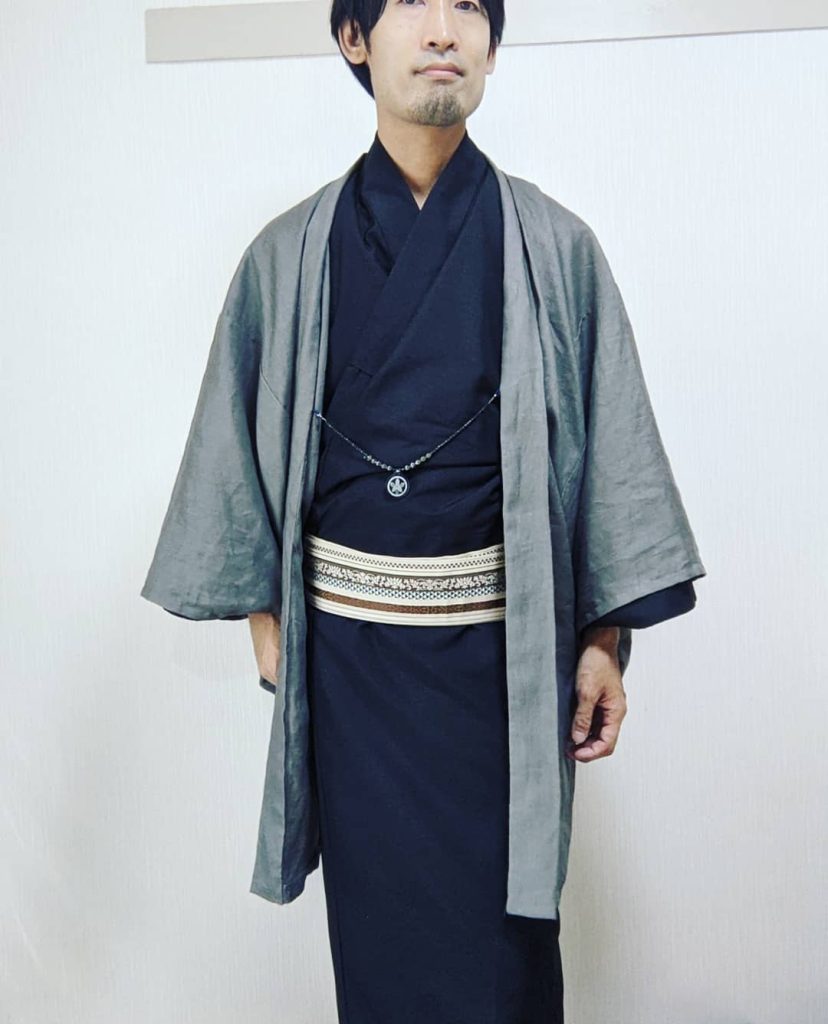
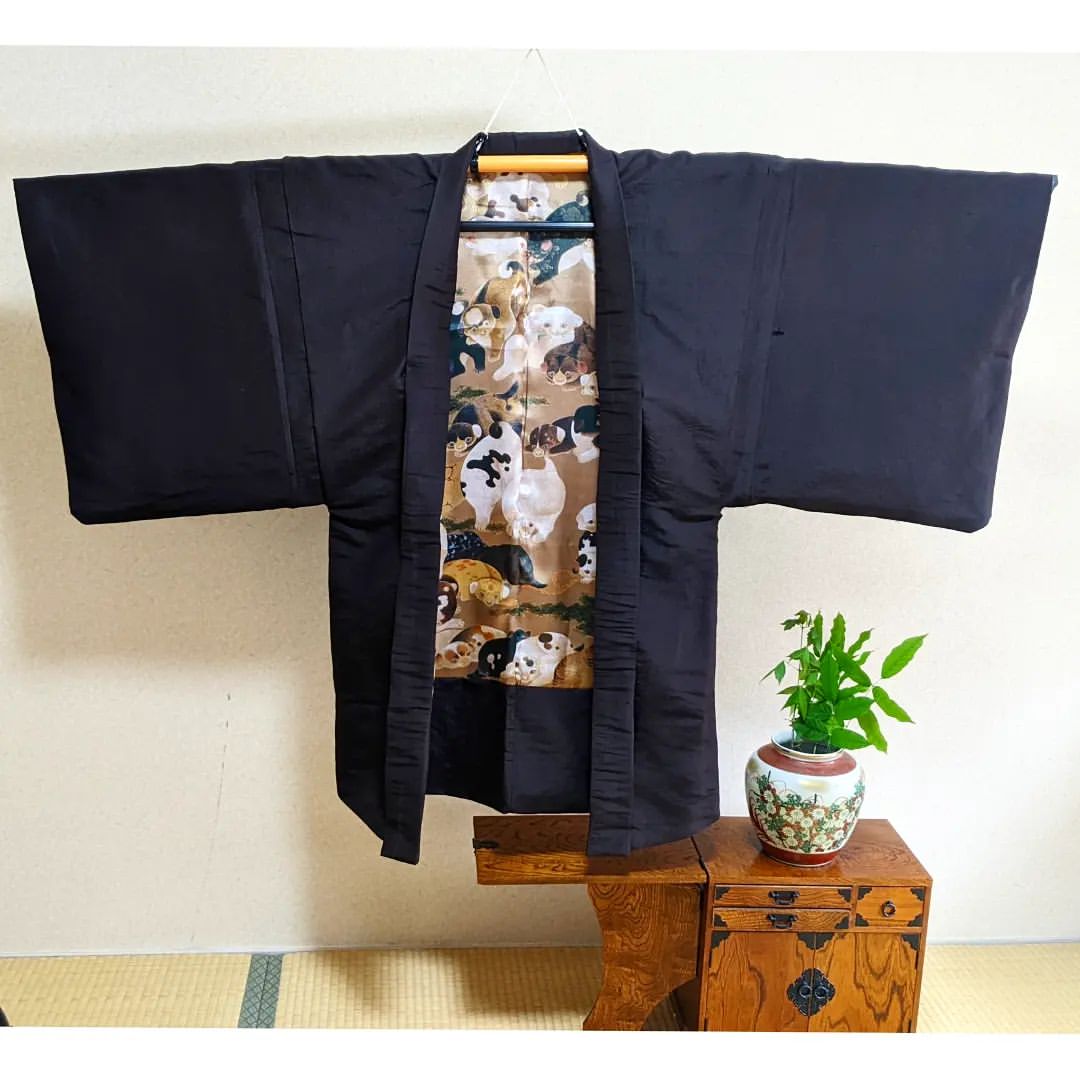
Once you become familiar with making traditional Japanese garments, try challenging yourself by making them with linings.
Obi
For those who think sewing a kimono for the first time is too big, with a half-width Obi belt, you just have to cut it into a square and sew straight.
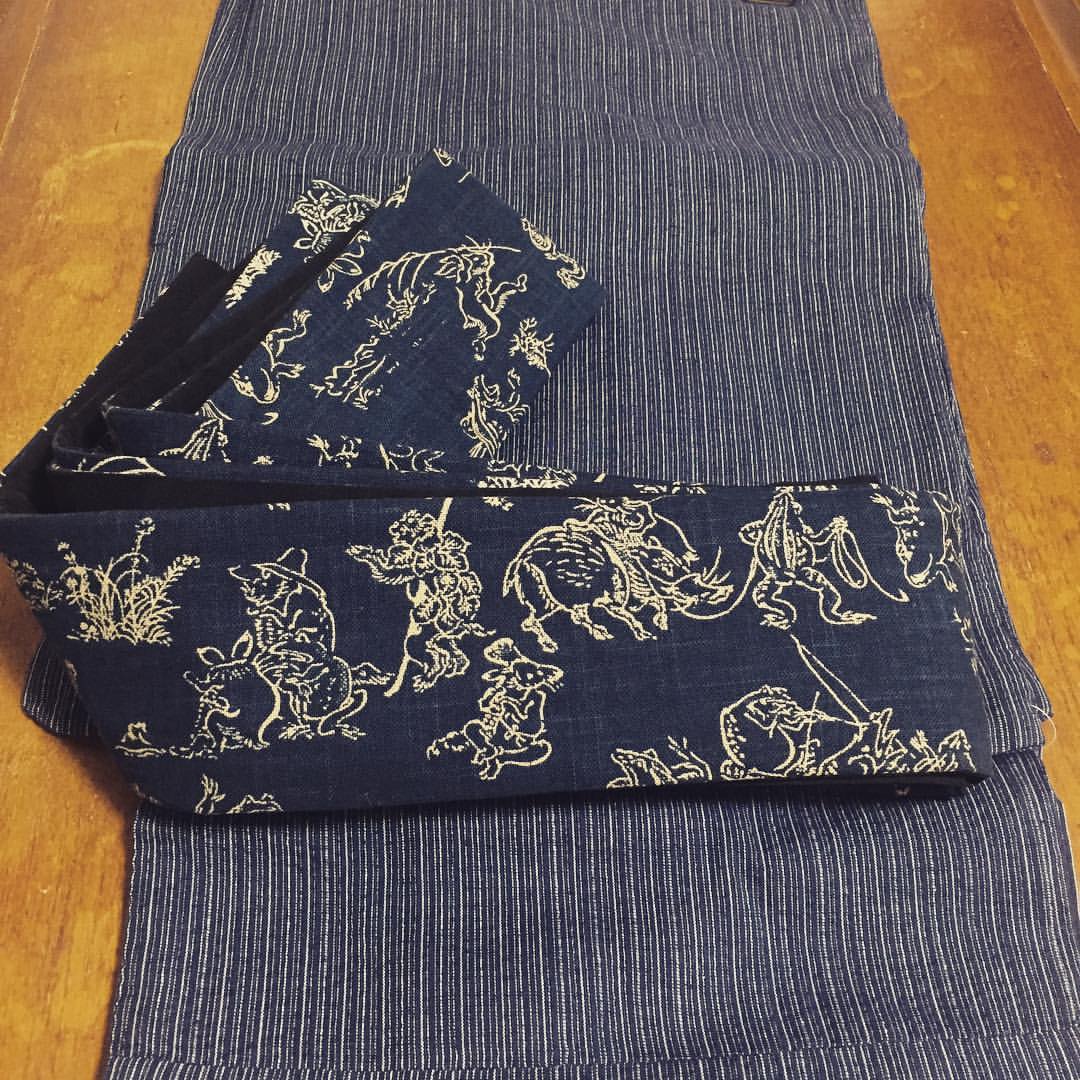
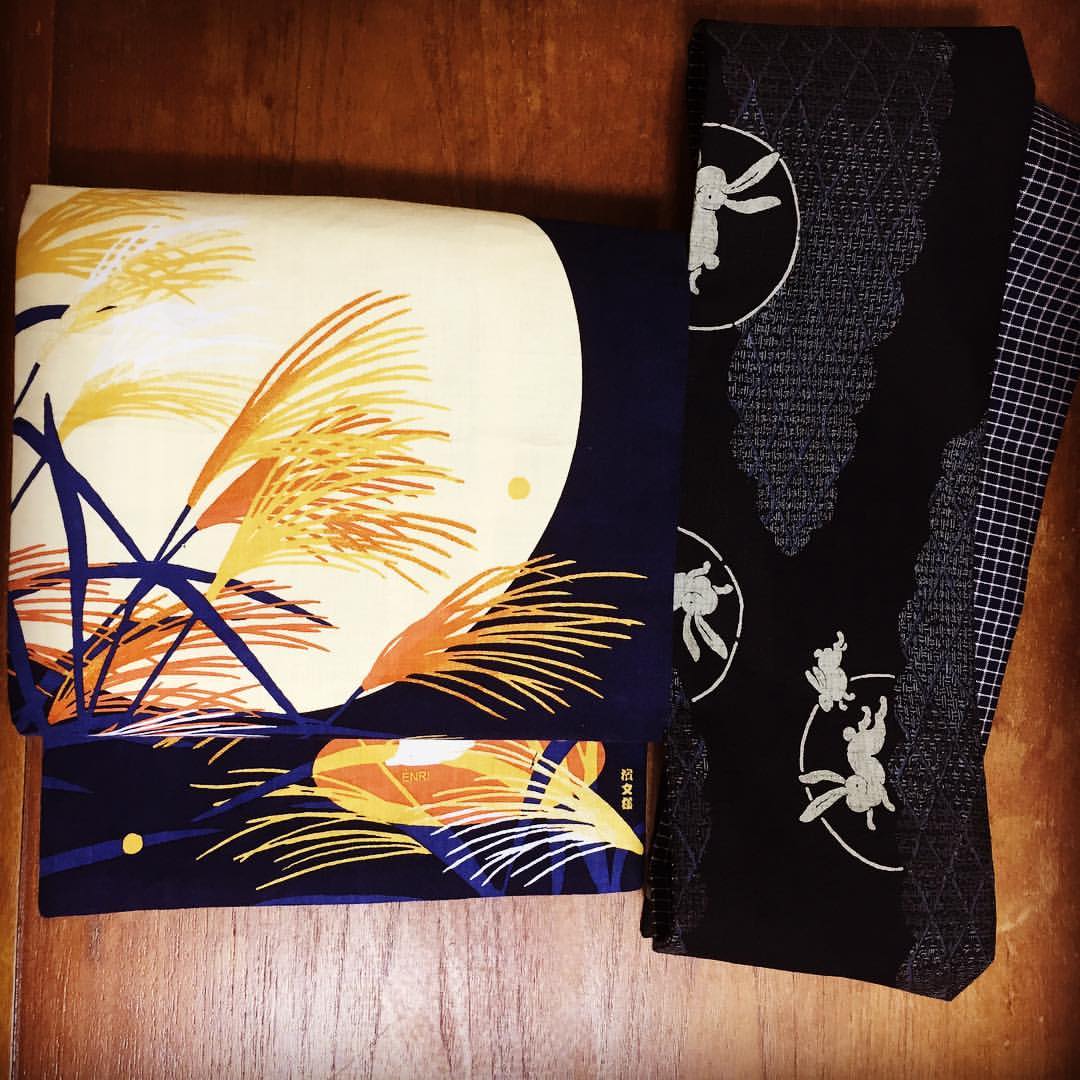
Once you've mastered the half-width (hanhaba) obi, let's try moving on to the Nagoya obi. It consists of two main parts: the body wrap and the taiko drum knot.
Bottoms
It's an andon bakama (skirt-type).
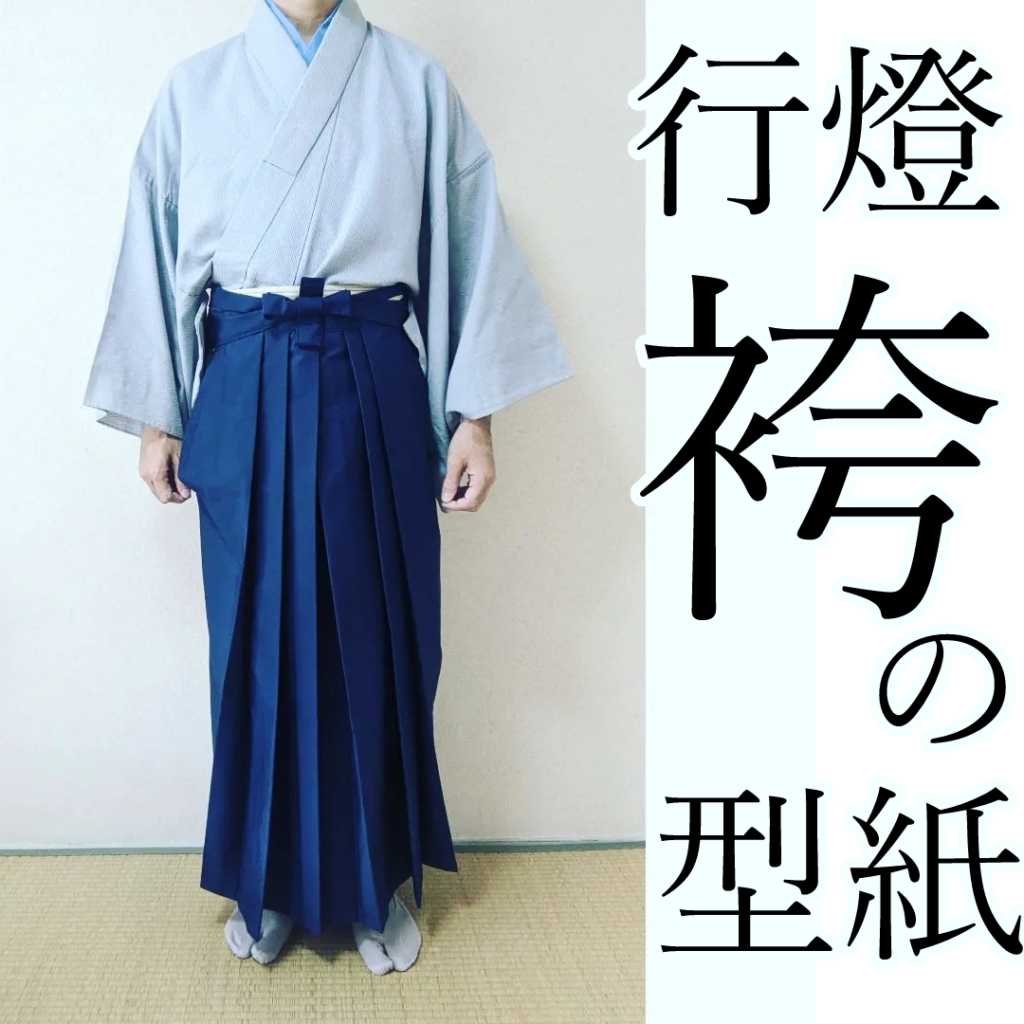
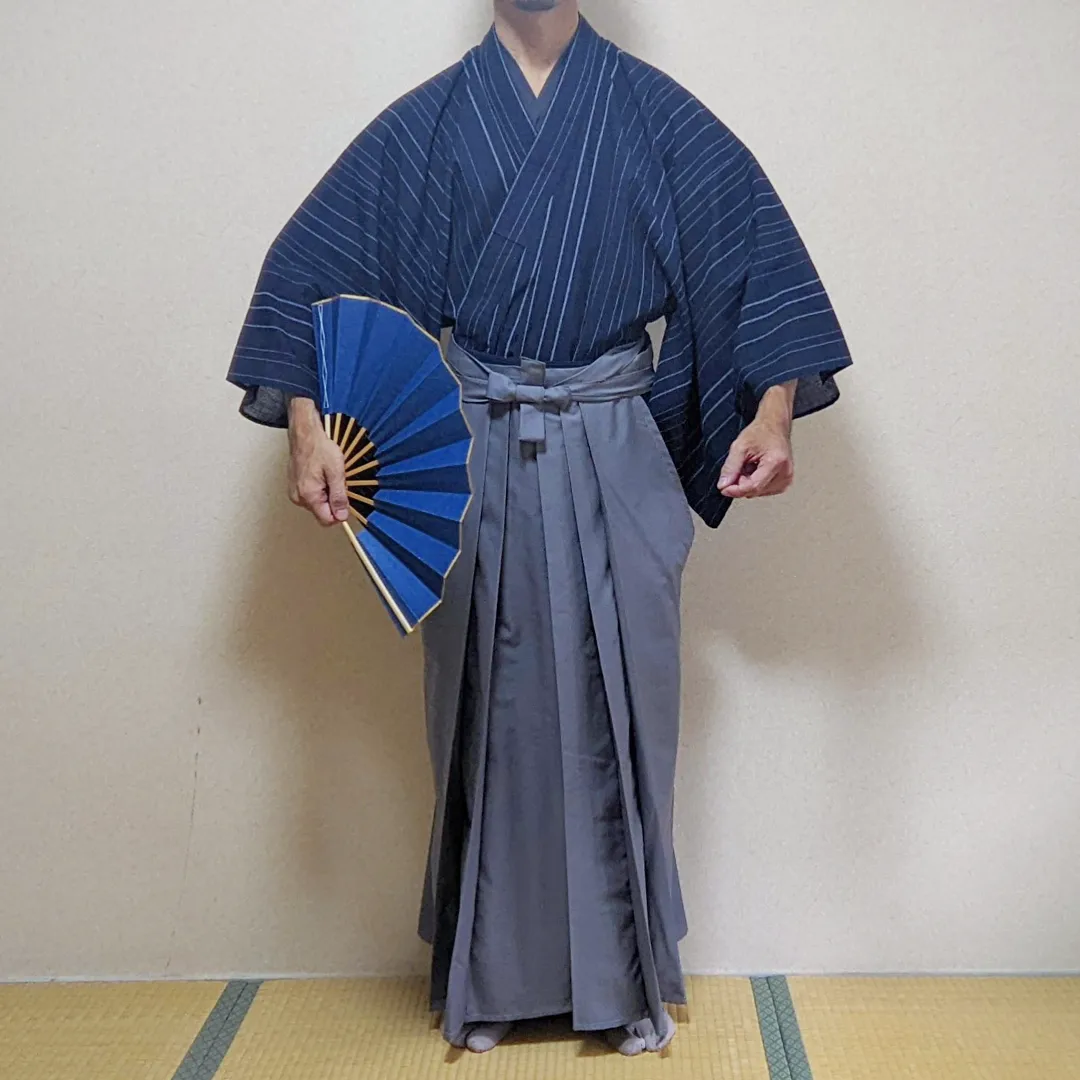
It's an umanori bakama (pants-type).
As work clothes with a Japanese spirit, it can be used daily. It can also be used as an undergarment for kimono.
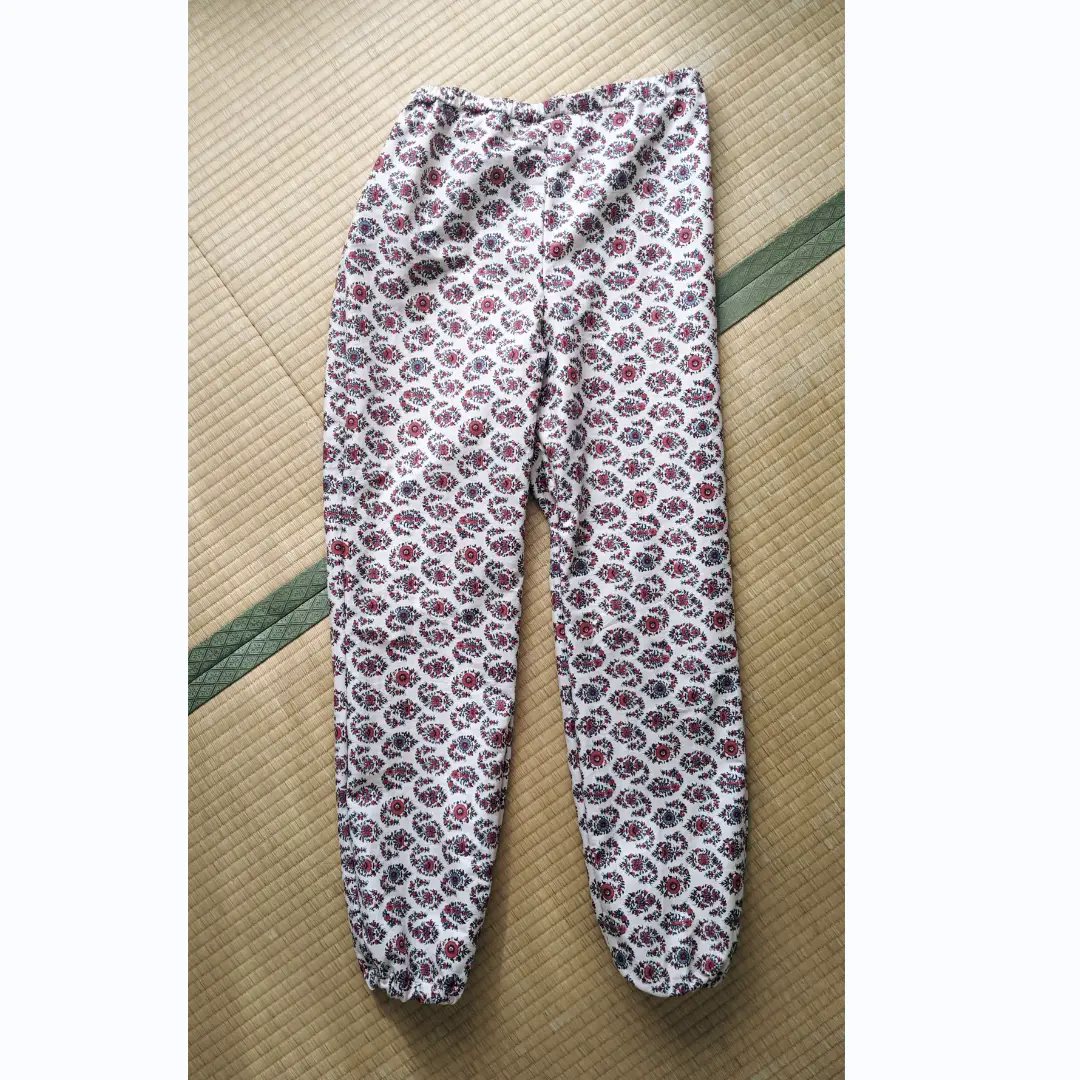
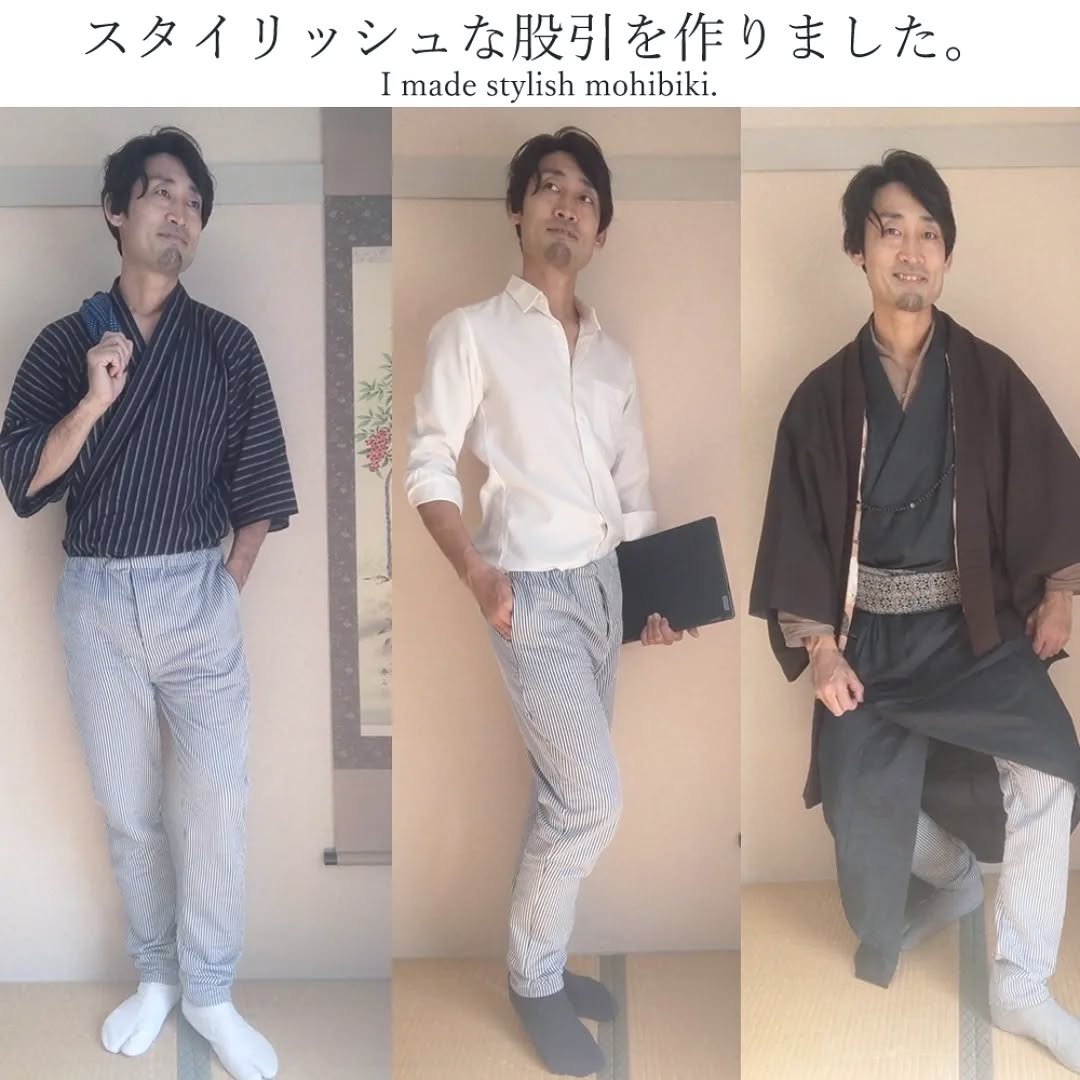
Please use it as an undergarment for kimono in the colder seasons. With pockets, it can also be paired with Western clothing and shoes. Compared to monpe, it has a more fitted silhouette.
Footwear
You can make it casually with a small piece of fabric.
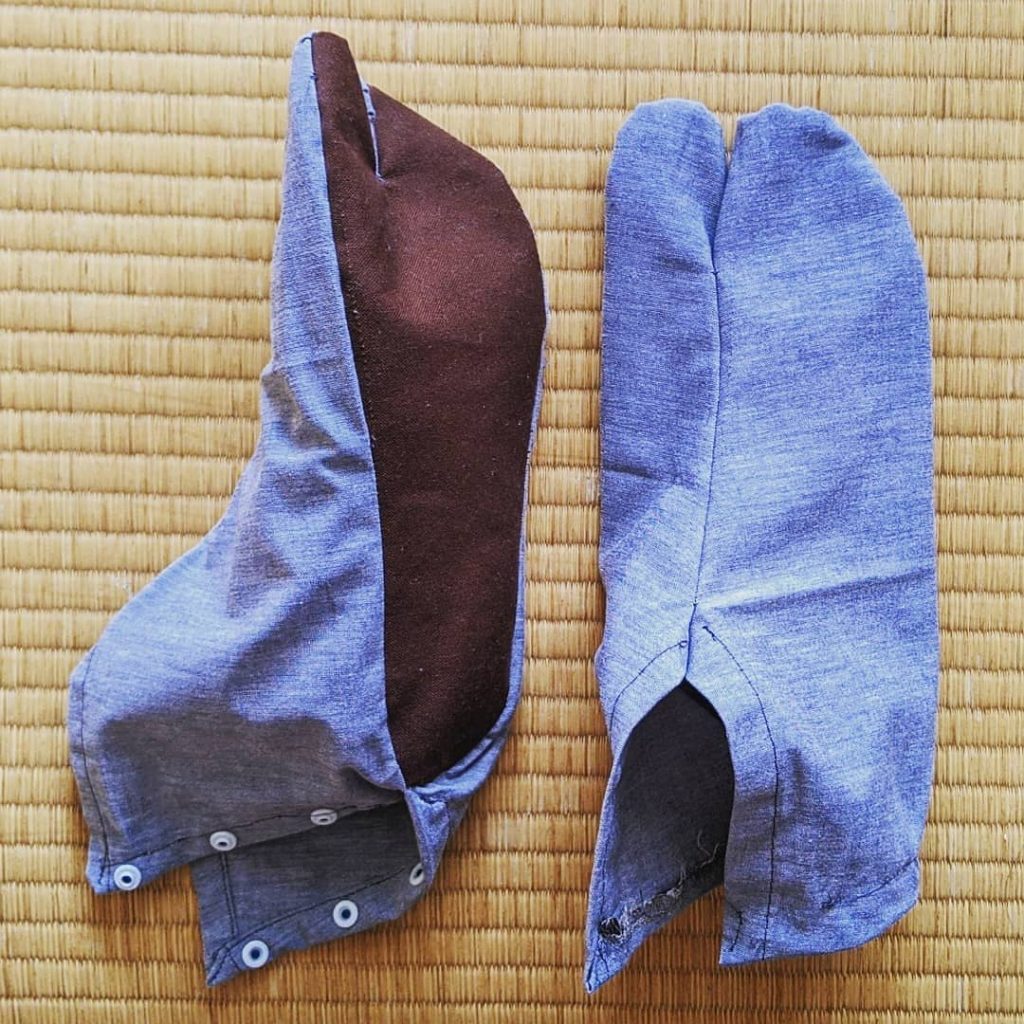

This is a longer version of the tabi socks. By adding elastic, it provides a better fit. Keeping you warm even in winter.
Hanao is the thick string attached to zori, geta or setta sandals. Why not decorate your footwear with your favorite patterns and colors? The basic technique is a straight stitch on a sewing machine. There is a little bit of hand sewing at the end. You can make it by hand in just a few hours.

Underlayers
It is an undergarment for the upper body. Choose a comfortable fabric and tailor it.
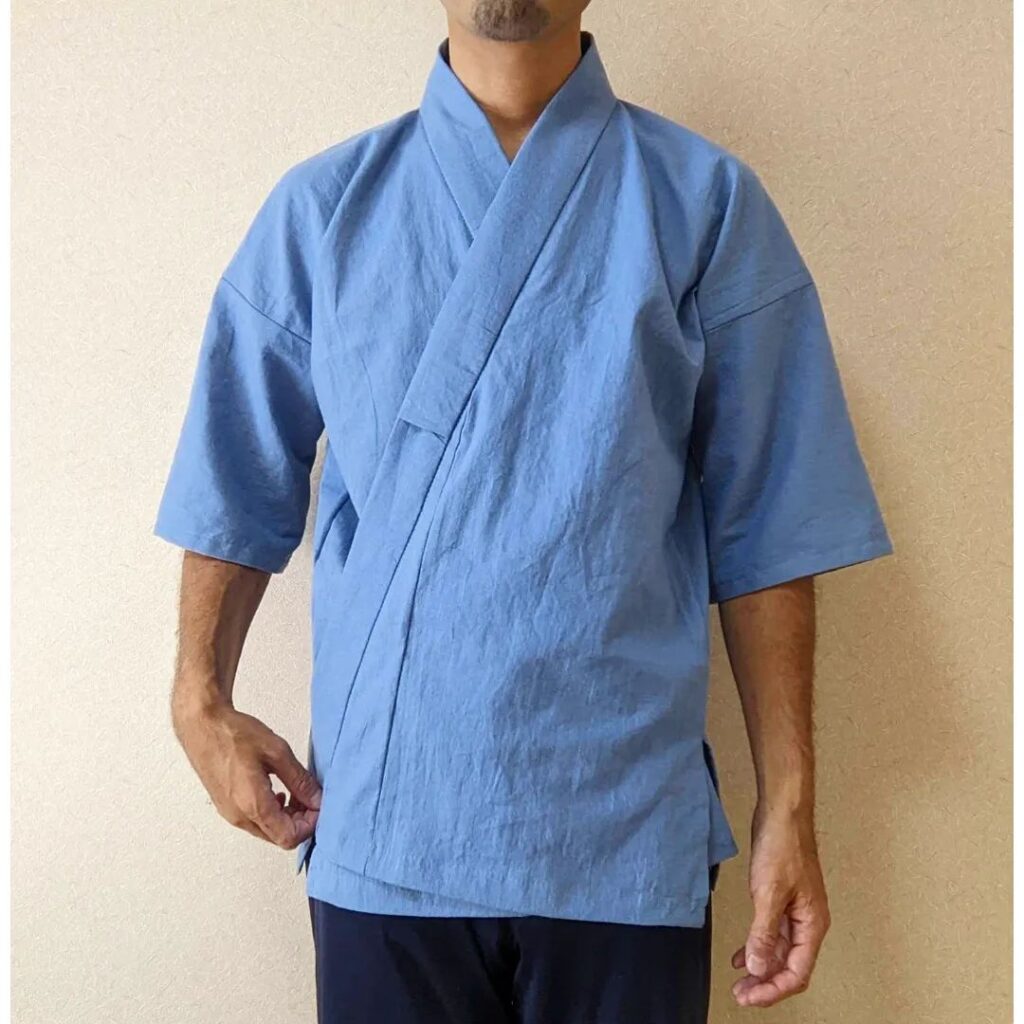
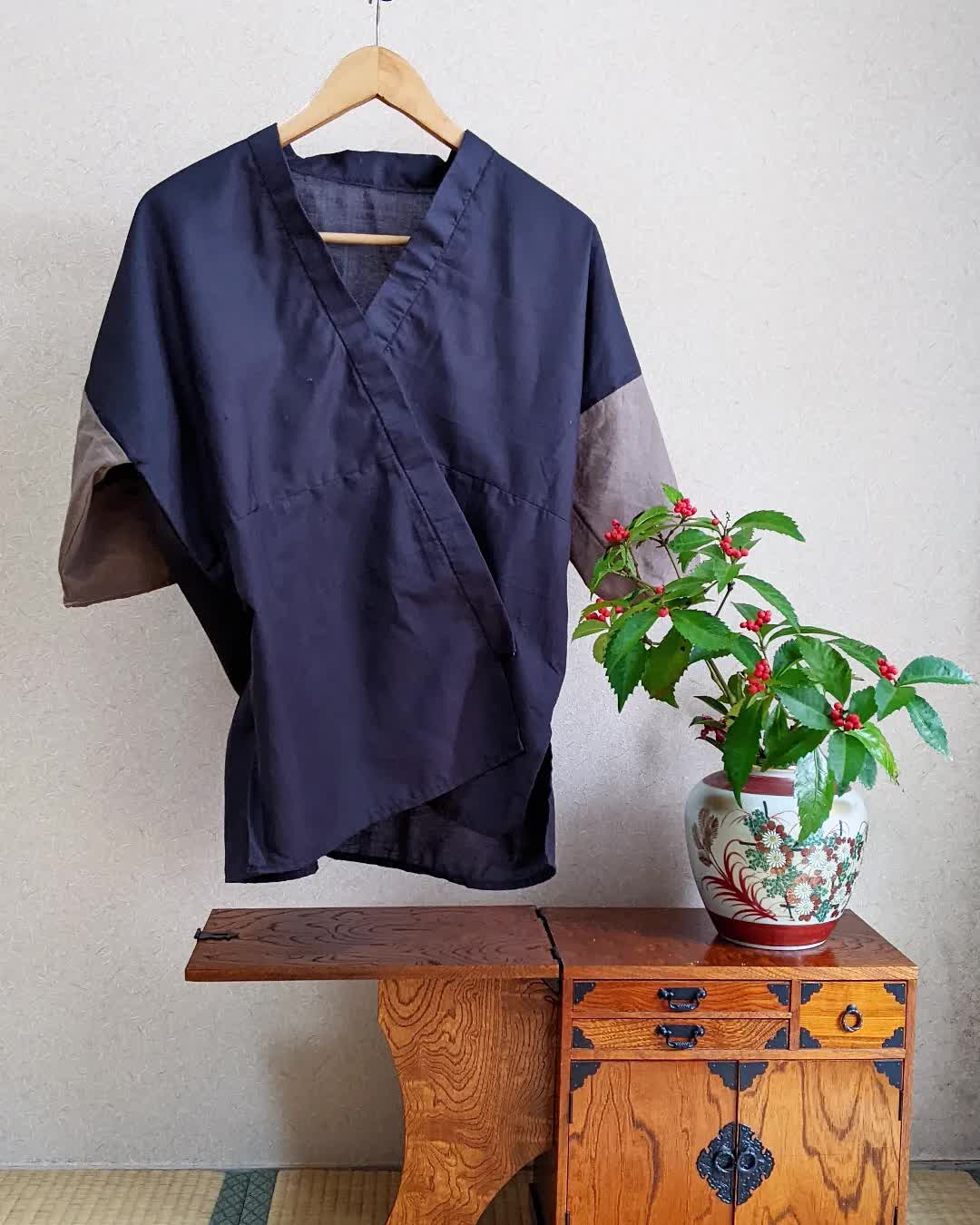
You wear it underneath the nagajuban or hadajuban. It's also fine to wear it directly under the kimono. Much more comfortable than wearing a T-shirt underneath, and even when taken off, it's a stylishly Japanese fashion statement.
A simple construction without an Okumi part. If you add strings, it becomes the upper half of a jinbei.
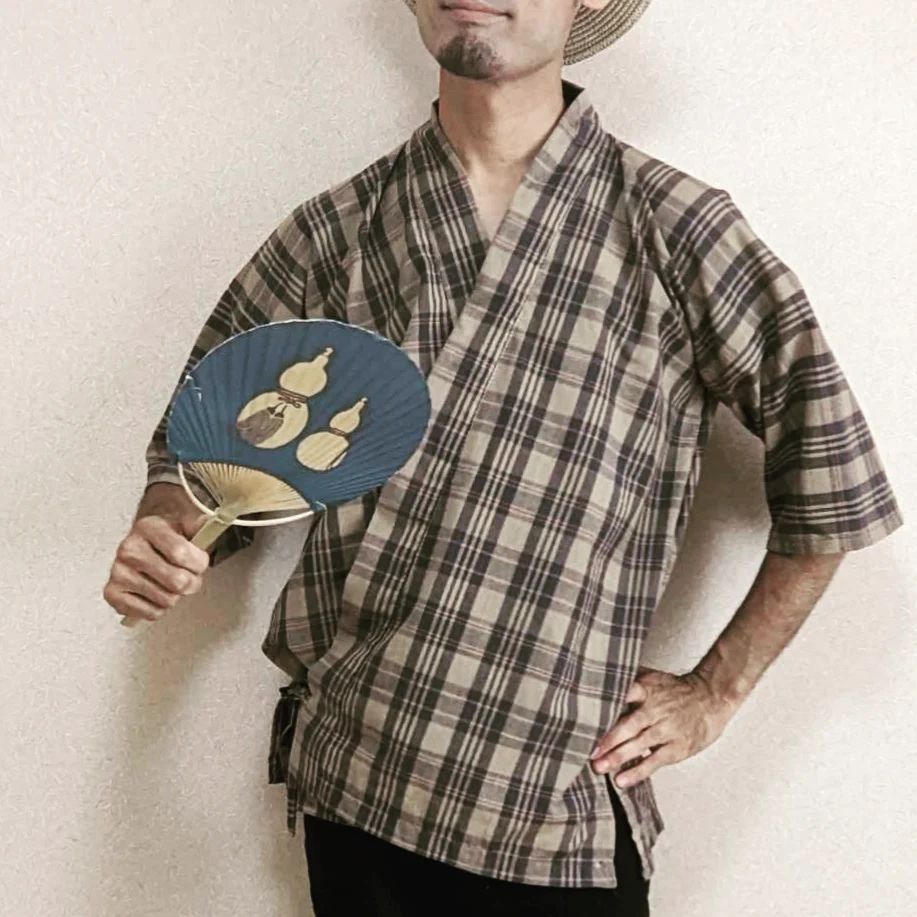
Lifestyle Items
This pattern is perfect for those who want to enjoy the look and feel of kimono, even in the hottest seasons. Designed like a Western-style shirt with no front overlap, this garment allows for excellent airflow and avoids heavy fabric layers. It looks traditionally Japanese but feels as light and comfortable as Western clothing—possibly even cooler than a knit T-shirt.

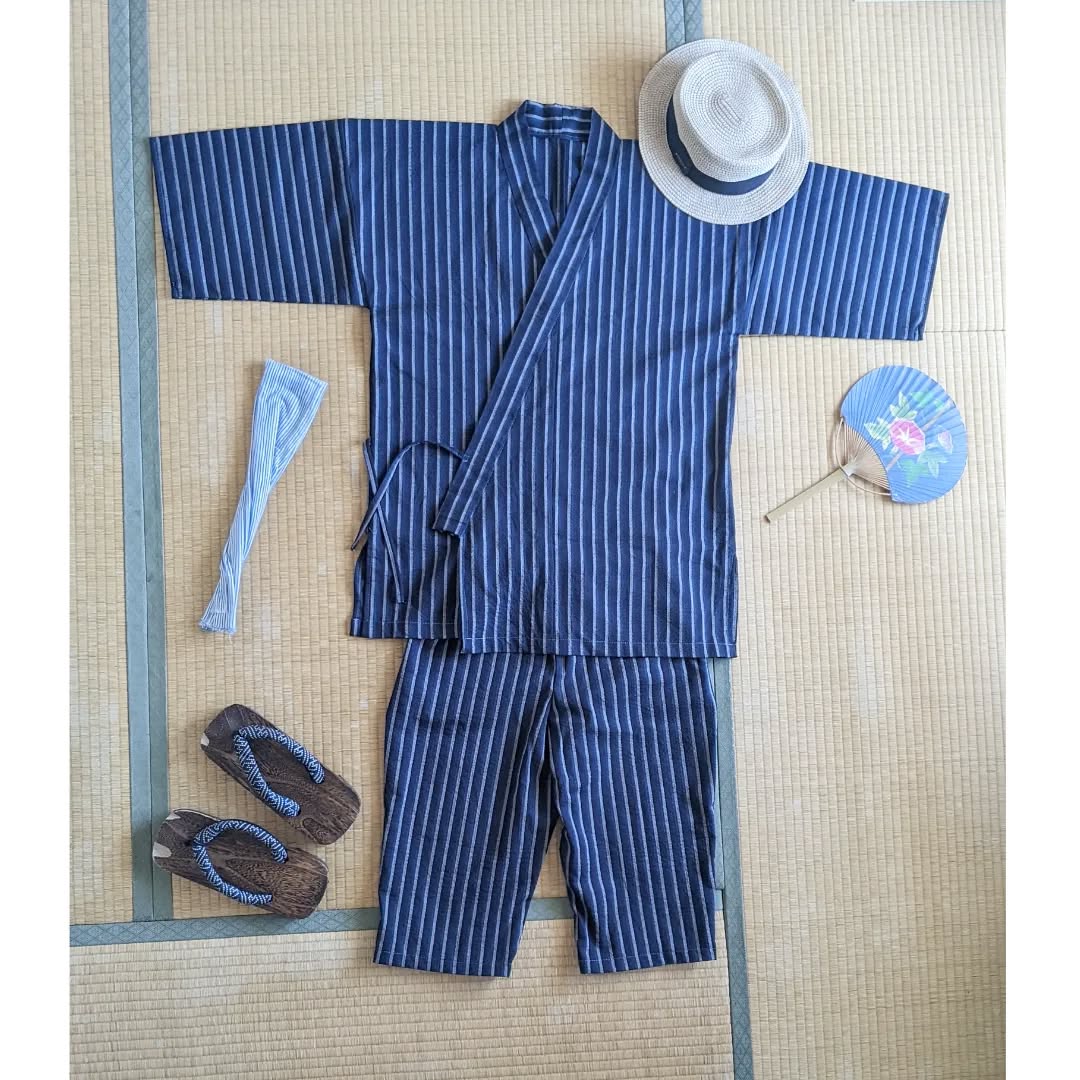
A sophisticated jinbei set for adults, perfect for summer festivals and everyday wear. Includes both upper and lower body pieces.
This is a raincoat that can be worn over a kimono. The sleeves are attached with a wide opening, so unlike ordinary raincoats, your sleeves won’t get bunched up and can fit comfortably inside. Thanks to the extra back allowance, especially for women’s styles, it won’t feel tight at the back.


A roomy bag that pairs well with kimono. Comes with dividers and pockets. You can freely choose the size, height, width, and depth.